Is Your Inverter Actually Down?
Before troubleshooting, confirm that your inverter is genuinely not working. At night and on very overcast days, your inverter may enter standby mode. This is normal. Check during clear daylight hours (between 9am and 3pm) to get an accurate reading.
Night Time = Standby
Solar inverters automatically shut down at night when there's no sunlight. A blank or standby screen after sunset is completely normal. Check again in the morning.
Quick Troubleshooting Steps
Check the Inverter Display
Look at the screen and LED indicators. Note any error codes, warning lights, or unusual displays. A red light or error code tells you something specific is wrong.
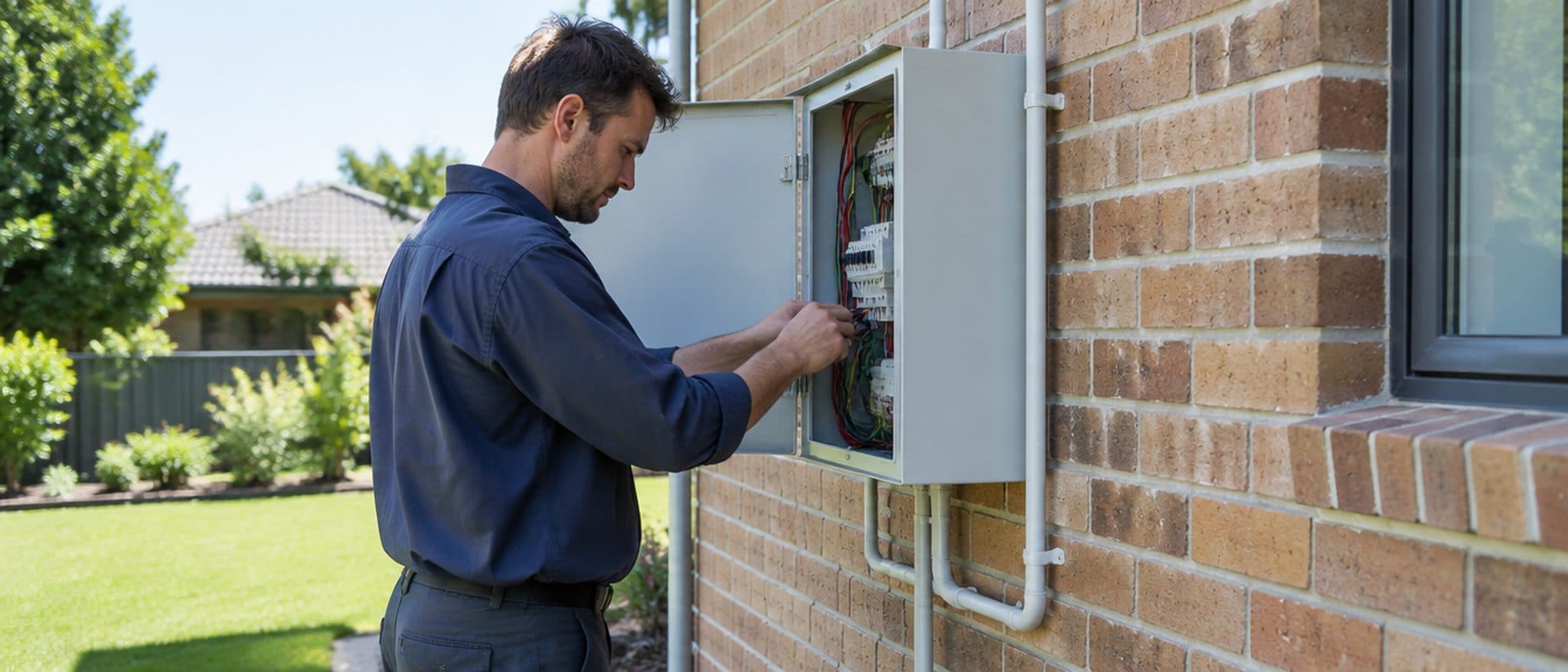
Check Your Main Switchboard
Look for any tripped circuit breakers. Your solar system has a dedicated breaker. If it's tripped, switch it back on. If it trips again immediately, do not attempt to reset it again and call us.
Check the DC Isolator
There's a DC isolator switch near your inverter (and possibly one on the roof). Ensure both are in the ON position. These can sometimes be accidentally switched off.
Power Cycle the Inverter
Turn off the AC isolator (at the switchboard), then the DC isolator (at the inverter). Wait 5 minutes. Turn the DC isolator back on first, then the AC isolator. This resets the inverter.
Check for Grid Outages
If the grid is down, your inverter will shut off for safety (unless you have a battery with backup capability). Check with your electricity provider for outage information.
Safety First
Never open the inverter casing or attempt to repair electrical components yourself. Solar systems carry high voltages that can be lethal. Always contact a licensed electrician or your installer for hands-on repairs.
Common Causes
Grid voltage too high: In some areas, grid voltage exceeds the inverter's acceptable range, causing it to shut down. This is an issue with your local network and can be reported to your electricity distributor (Energex in South East Queensland).
Overheating: Inverters reduce output or shut down when they overheat. Ensure your inverter has adequate ventilation and isn't in direct afternoon sun. If it's wall-mounted in a hot garage, improving airflow can help.
Communication errors: Some shutdowns are caused by monitoring or communication faults rather than actual hardware issues. A power cycle usually resolves these.
Genuine hardware fault: If the above steps don't resolve the issue, the inverter may have a hardware fault. Most inverters carry 5-10 year warranties (some up to 15 years), and UV Power handles warranty claims on your behalf.
When to Call Us
Contact UV Power if:
- The inverter shows a persistent error code after a power cycle
- A circuit breaker trips repeatedly
- The inverter isn't producing power during clear sunny conditions
- You notice unusual noises, smells, or physical damage
- You're unsure about any of the troubleshooting steps
We offer ongoing support for all systems we install. Call us on 1300 887 140 or email admin@uvpower.com.au.